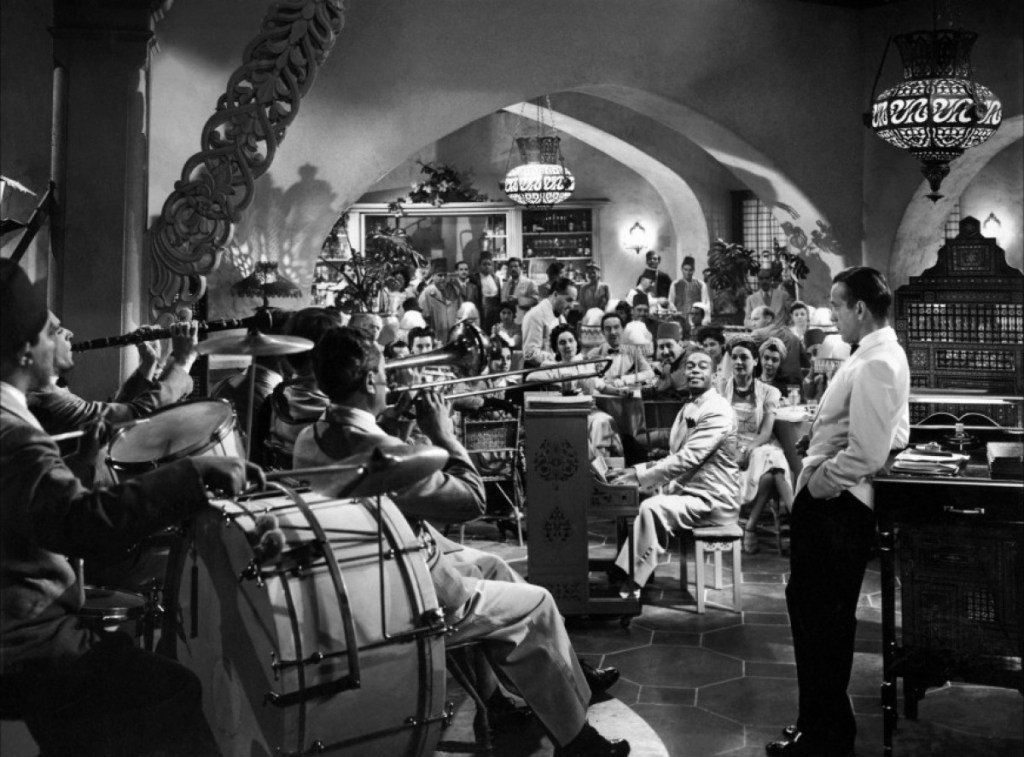
Casablanca is a city that, to me, always had an air of mystique around it even though I did not really know much about it. In my head, it was this artsy place, where people wear top hats and hangout in shady bars. Elaborate carvings and spray painted graffiti adorned the walls of crumbling buildings. Camels and donkeys plied the roads at all hours of the day, overloaded with bags of coal. It was a place where street crime is not unheard of and around dark corners you could find people selling drugs, guns and plotting crimes. Now that I think about it, the image was similar to Shantaram’s Bombay, albeit with some Middle Eastern, European and African influences.
Maybe it was because of the movies, especially the one named after the city itself, or maybe it was something else but I always wanted to visit this city along with its wilder cousin, Marrakesh.
So, after years of back and forth, I finally did.
And as it turned out, my trip to Morocco was to start and end in Casablanca. Since it doesn’t have as much to offer in terms of landmarks when compared to cities like Marrakesh or Fes, most visitors to the country hardly spend any time here. Also, being the cosmopolitan centre and the financial hub, it is growing the way most cities of today do. Glass buildings. Fast food restaurants. Pollution. Overload of everything western.
My stay in the city was cut short by a day because of a missed flight connection and an extended layover in the concrete mess of Dubai. It was early afternoon on a Thursday when I finally landed in the country and found myself standing at the airport train station, beside a guy who was smoking a cigarette right under a No Smoking sign, waiting for my train to the city.
Plastic packets and pieces of stray paper rolled around the platform like tumbleweeds. The station walls, that I presume once used to be white, were stained to a shade of brown, and dotted with cobwebs and patches of worn off plaster. A thick layer of dust adorned every signboard around the platform. Having travelled my fair share on Indian Railways, this air of neglect was all too familiar, and in some sense, strangely comforting in a foreign land.
“I’m going to be fine here.” A tiny voice in my head assured me.
About half an hour later, a rough male voice blasted through the speakers in Arabic and the platform suddenly filled with activity. The train was arriving.
My destination, the Casa Port station, was about a 45 minute ride. We passed through vast empty landscapes, small villages with shoe box shaped houses, mosques, farms and open fields. We stopped at a few stations along the way, and it seemed that as we got closer to Casa Port, the quality of station maintenance was getting progressively better.
Soon, the fields started giving way to offices and shops. The buildings got taller. The roads filled with cars and trucks of all shapes and colours. The quaintness of the farms gave way to city sounds. The Moroccan flag fluttered proudly from different corners. Glimpses of the King’s portrait became frequent. By the time the train reached Casa Port, we were in the middle of a bustling metropolis, in a swanky new station sporting tinted glass walls, with major fast food chains and fashion brands converging under its air-conditioned confines. The flying plastic bags, cobwebs and open fields seemed like a distant dream.
If I had an ounce of philosophy flowing through my veins, I would have drawn some analogy on how this ride, in some miniscule way, was a fitting introduction to this country, that seemed to be on the cusp of rapid urbanisation.
Instead, I was busy trying to find the shortest route to my hotel on Google Maps.
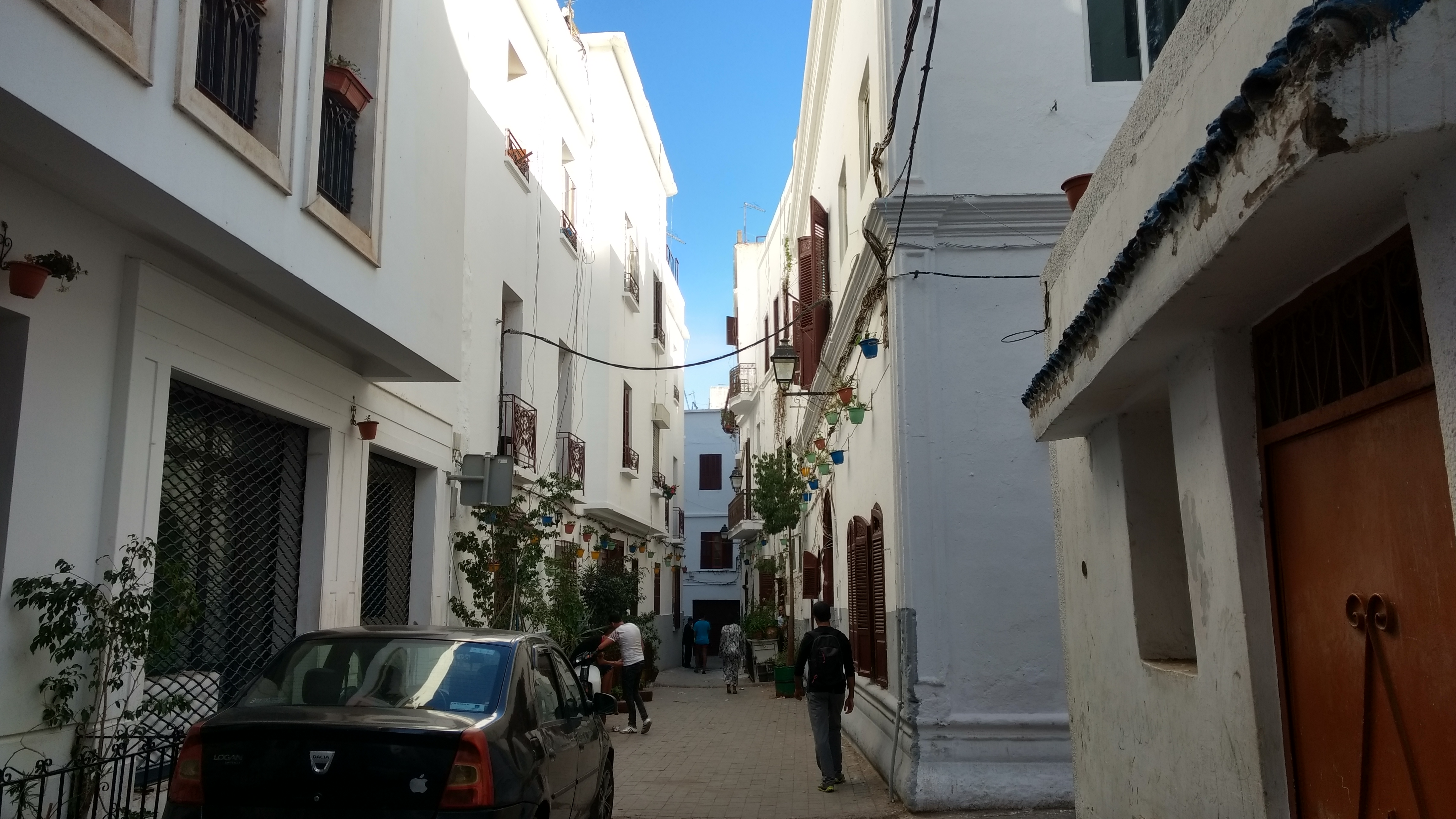
Hotel Central, located in the Medina of Casablanca, is one of those properties that possess an effortless old age charm. The huge main gate with the dusty signboard on top with the hotel’s name, the giant paintings and antique looking couches in the lobby, big wooden windows with rusty metal grills, the staircase that spirals its way through three floors of rooms to the terrace, makes you feel like you have traveled back in time as soon as you step in.
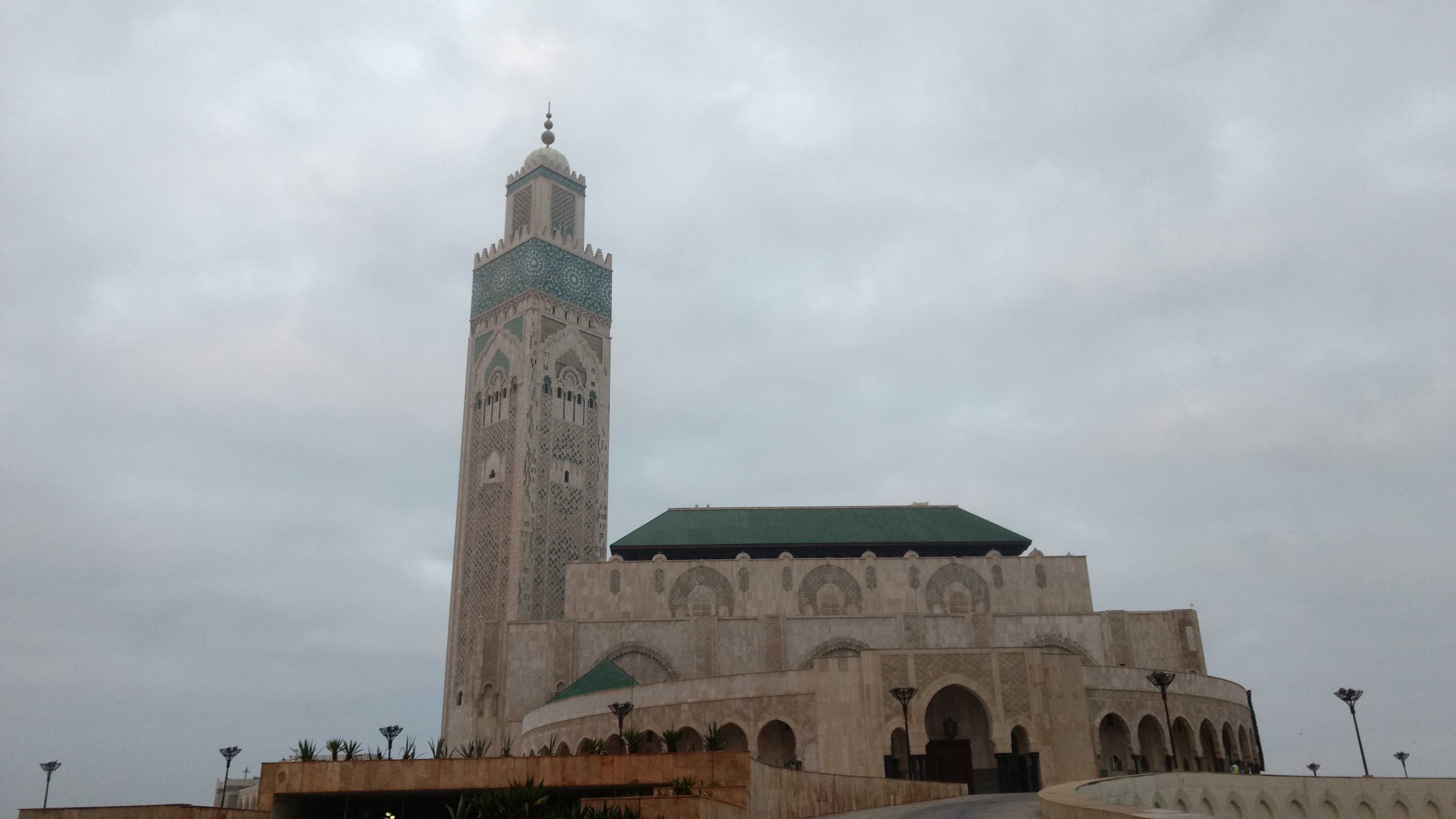
The best part of the hotel is the view from the terrace. The minaret of the Hassan II mosque is visible in the distance. It looks especially beautiful at night, when the lights are turned on. Right below is the hustle of the alleyway that leads to the market. On the other side, is a small square surrounded by cafes, shops and a seafood restaurant. Kids play football at all hours of day and late into the night. There are benches where locals sit and catch up with their friends while having tea and coffee. Cats laze around the parked cars, most of which sport a thick cover of dust.
I checked in to my 3rd floor Single Room, and by the time I had taken a shower and freshened up, it was already evening. I decided to take a look around the neighbourhood before dinner.
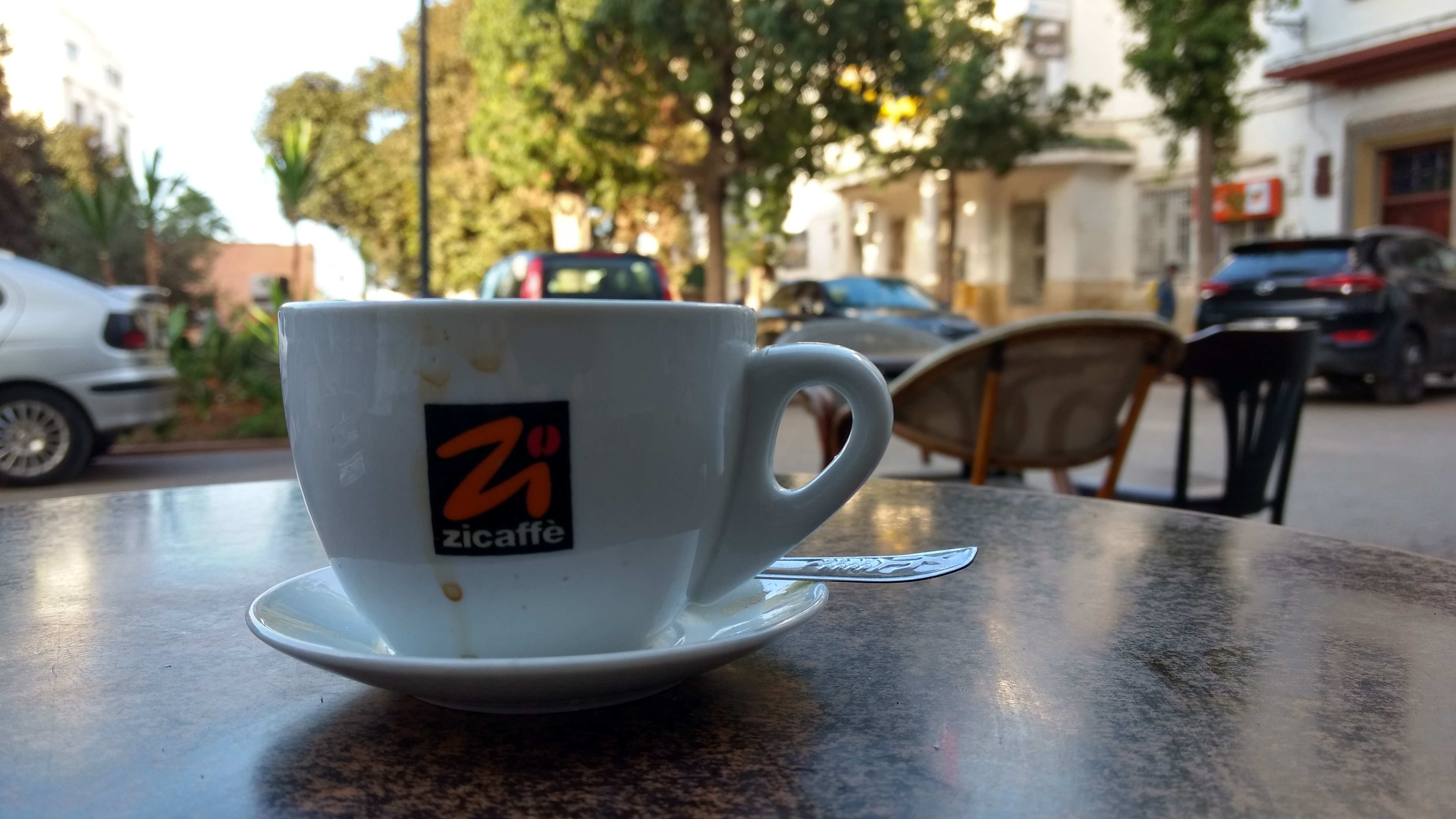
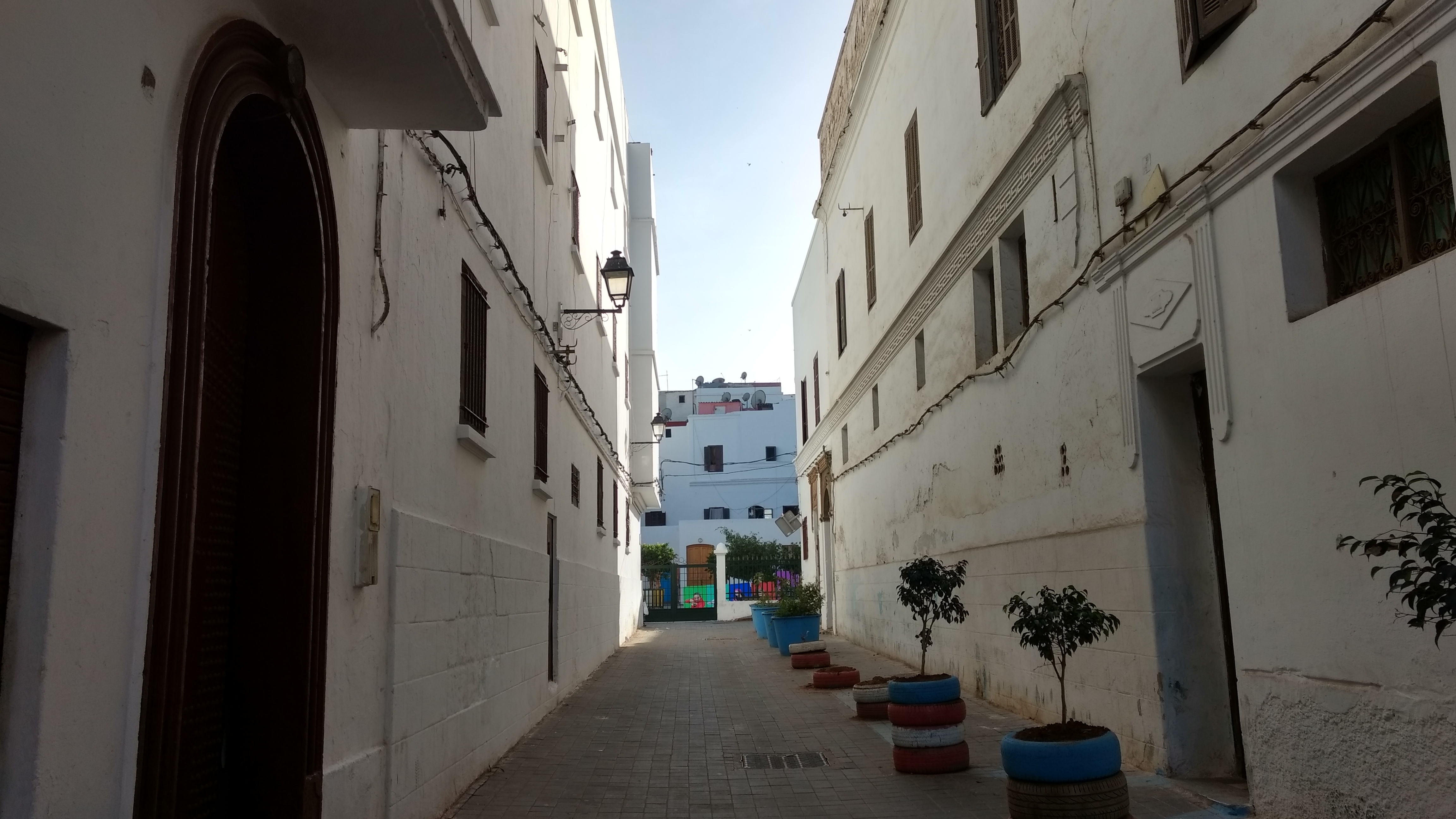
The Casa Port area is a mix of modern and old buildings. The banks and markets sit side by side with minarets and mosques. Inside the Medina, there are cafes where people hangout, watch football matches or play black gammon. It won’t take long to know that cafes in Morocco are less about coffee and more about socializing. I walked aimlessly through the labyrinth of alleys and sub alleys, smelling the aroma coming out of hole in the wall sandwich and kebab shops, and following interesting sounds. Kids followed me out of curiosity while others just stared questioningly. I passed by schools, grocery stores and neighbourhood parks. I saw fruit vendors selling the biggest oranges I have ever seen.
The coal laden donkeys and camels must have been resting in their stables that day. People in top hats must have had the day off. And if there were any drug deals happening, I didn’t hear of it. I swear to God.
Casablanca was pretty and I was smitten.
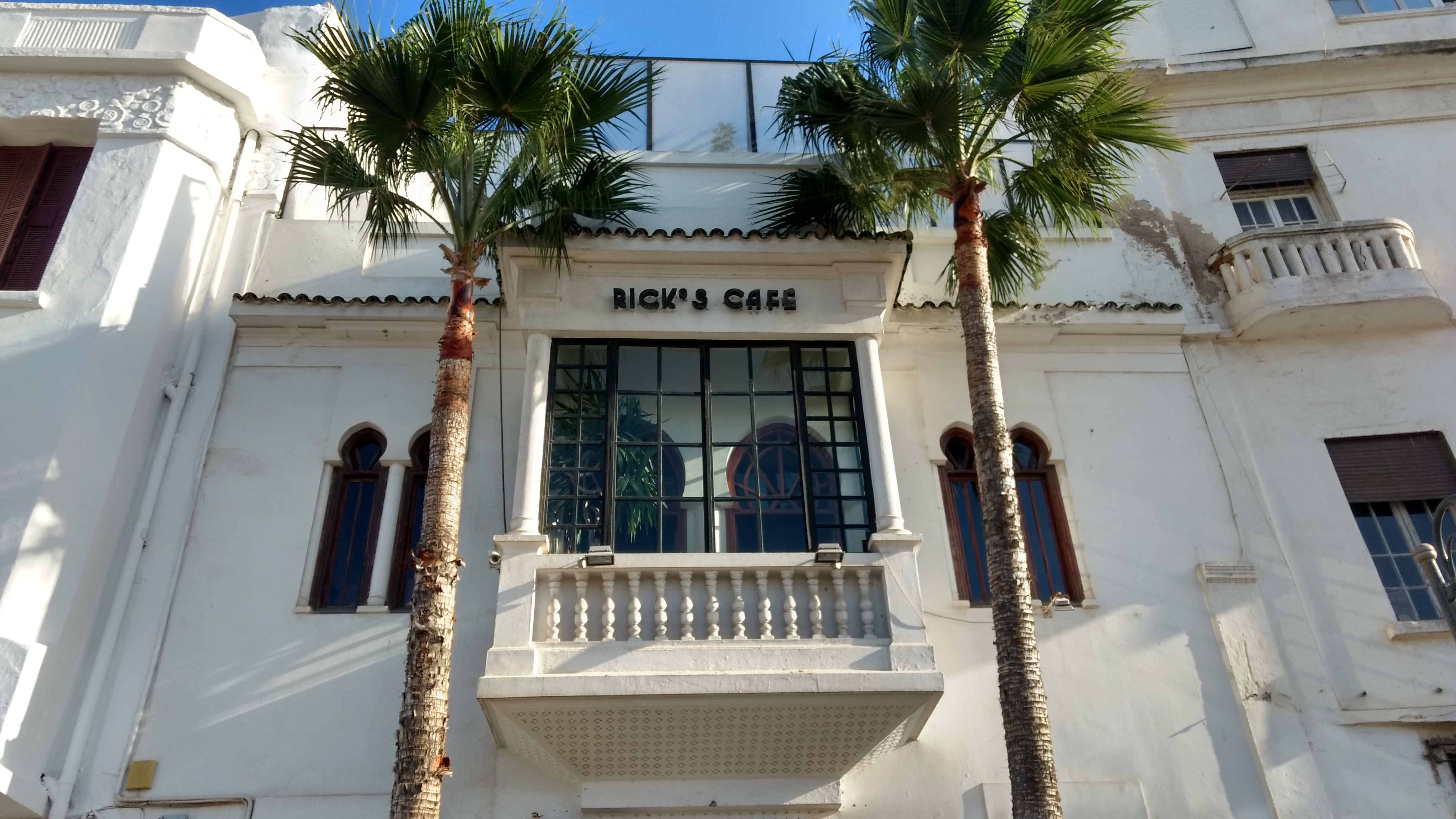
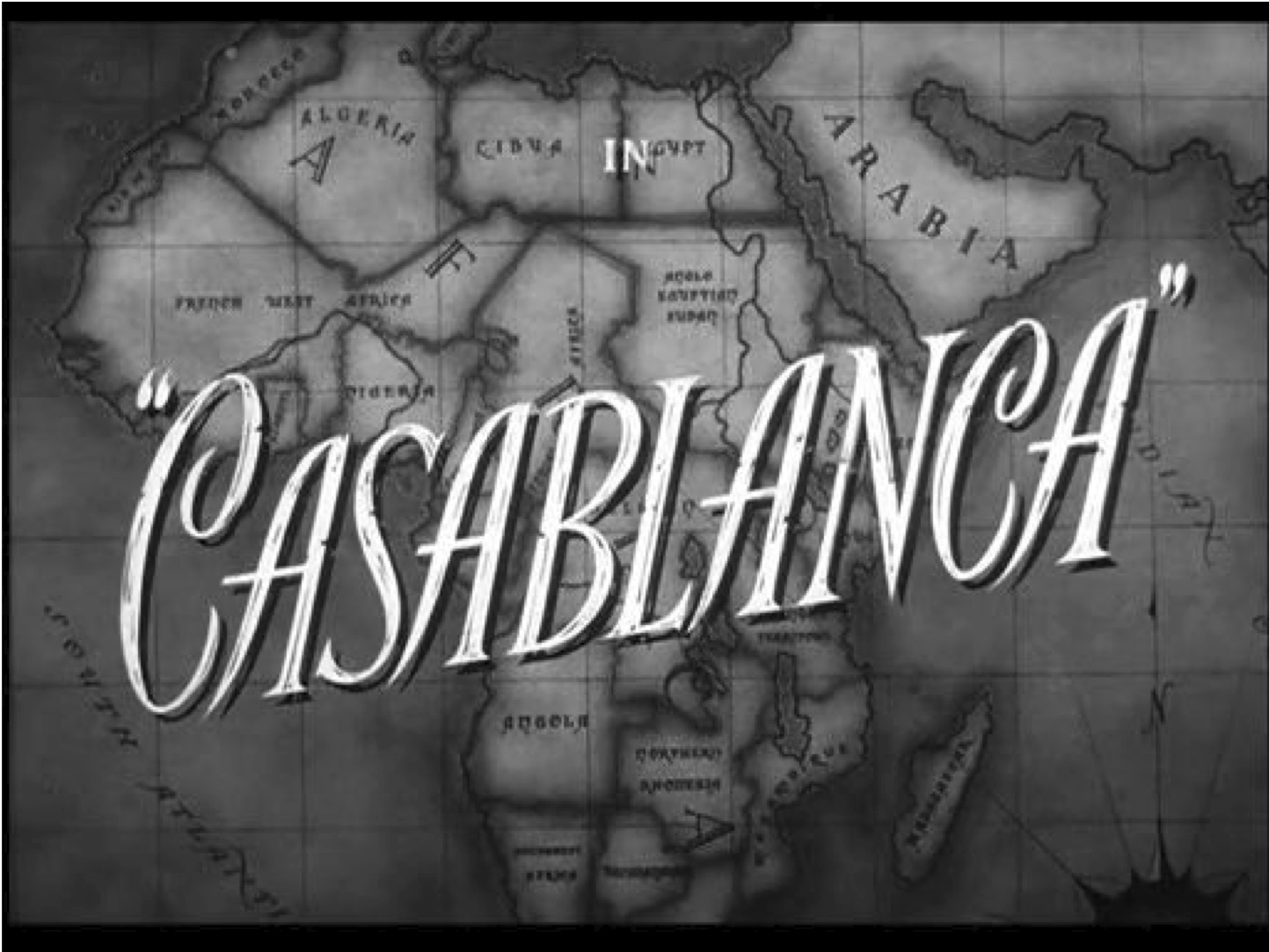
A white building with wide windows and a couple of palm trees up front is the Rick’s Café, inspired by the movie Casablanca. Though the movie was not actually shot here, (Hell, it was not even shot in Morocco), this establishment has firmly placed itself on the tourist map. Recreated as the one in the movie, it makes its profits selling overpriced food to gullible movie buffs.
I walked back and found a sandwich shop near my hotel for dinner. 12 Dirhams for a delicious looking kebab sandwich sounded like a great deal. The young man making the sandwiches and his dad manning the counter welcomed me with ear to ear smiles. From my past experiences in Africa (and elsewhere) I had learned that it was in places like these that I get the best service, travel tips and meet the friendliest of people. And food wise, trust me, you can do a lot worse. A lot.
Hopefully, Morocco would not be any different.
I met a fisherman at this shop who set the tone for the trip. He offered me his French fries as the beef kebabs I ordered cooked over the charcoal oven. Over the course of the meal, we talked about our respective lives in India and Morocco and ofcourse, fishes!
At one point, the young cook also joined the conversation. When I told them this was my first evening in Morocco, tips started pouring in from different corners of the shop.
“Go to Tanger. It’s beautiful.”
“Essaouira has the best fishes! So fresh. Right from the ocean.”
“Rabat is better than Marrakesh.”
“Take trains. Buses not good.”
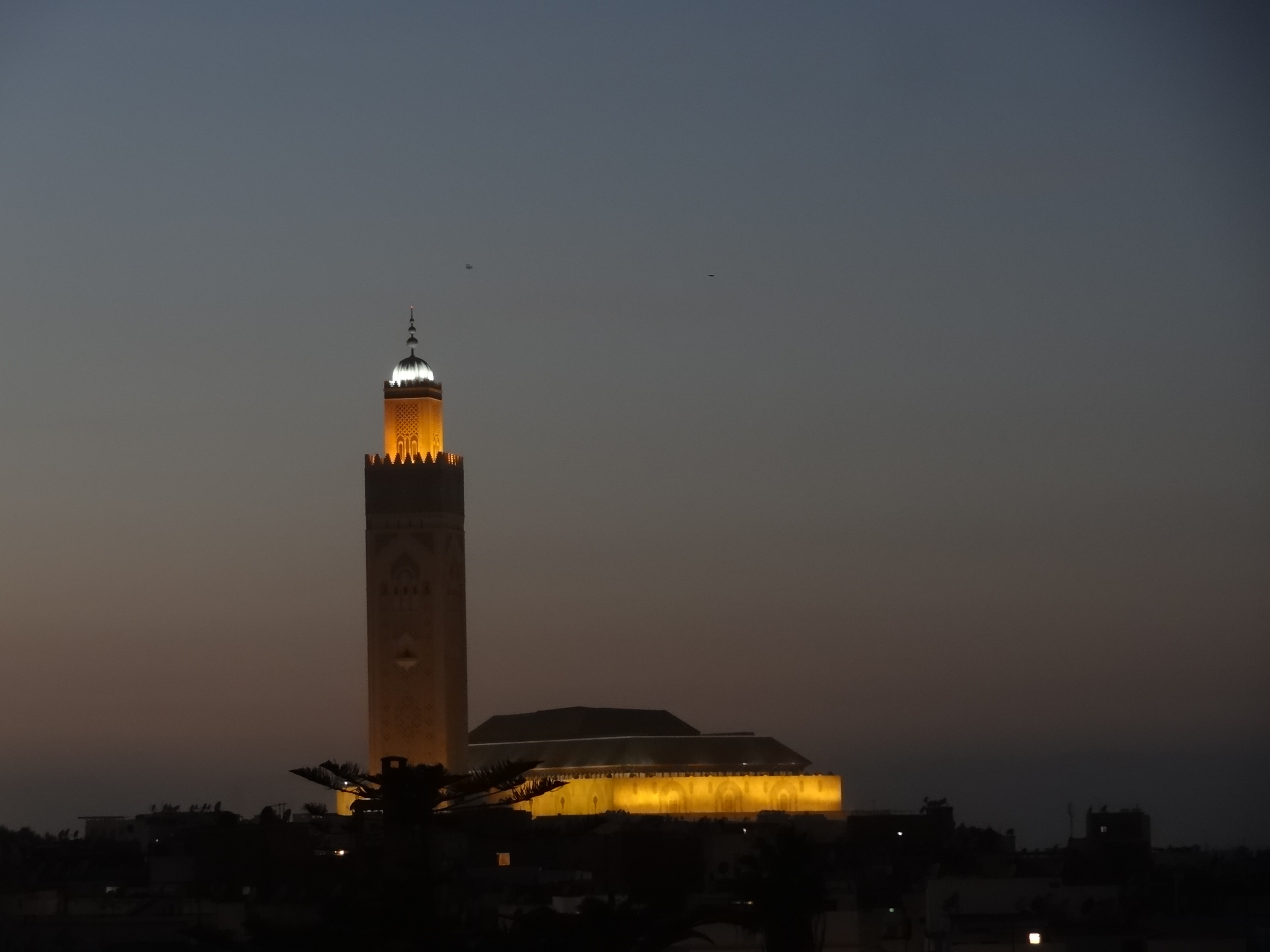
Late that night, up in the terrace, I sat looking at the night sky. It was getting colder by the minute and the feeling of being in Casablanca was slowly settling in. Though I was tired from the long flight, I was too excited to call it a night.
The alleys down below were empty. The soccer playing kids had gone home. The cafes had pulled their shutter down for the night. Far away, like a beacon, the giant minaret of Hassan II mosque was glowing. For the first time since I landed, Casablanca lay in front of me. Quiet.
Judging from what I saw that day, I knew that travelling here will be enriching. I was half way around the world, in a country that felt a lot like home, but not quite. This, after all, was Africa. A continent where I have had my best and worst travel experiences.
The tiny assuring voice in my head returned.
“You are going to be fine here.”


Leave a Reply