Travel brings power and love back into your life.
Rumi
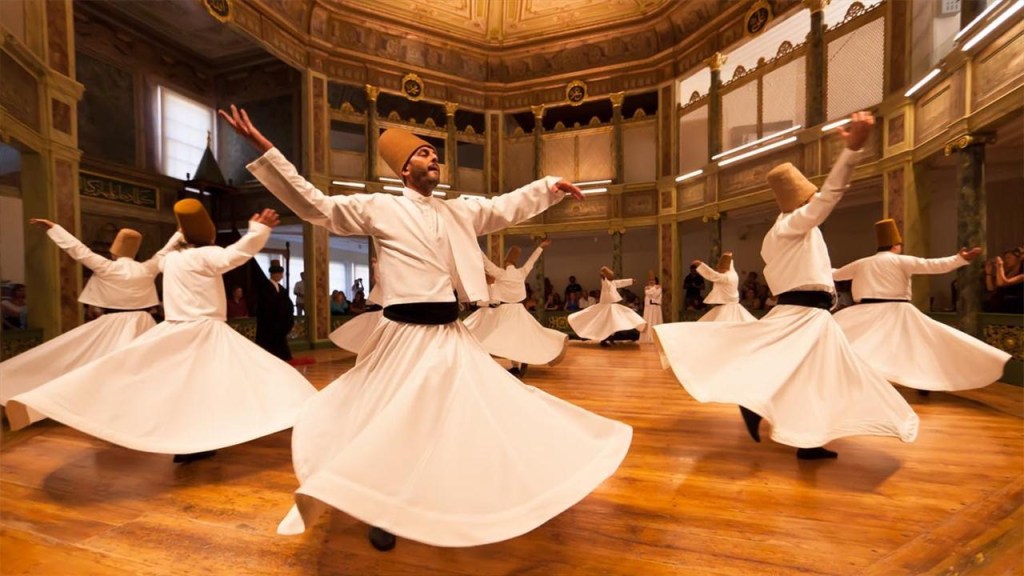
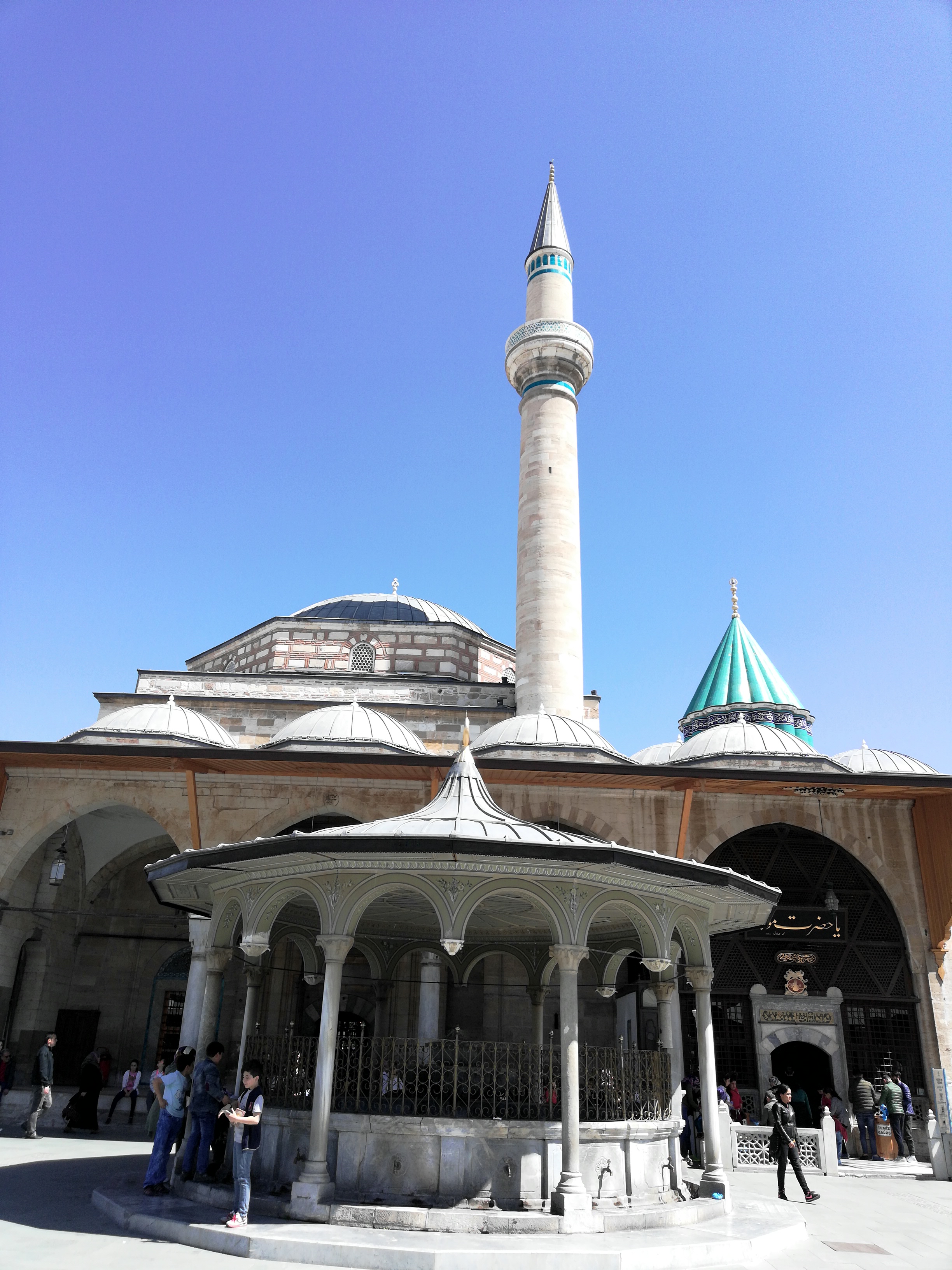
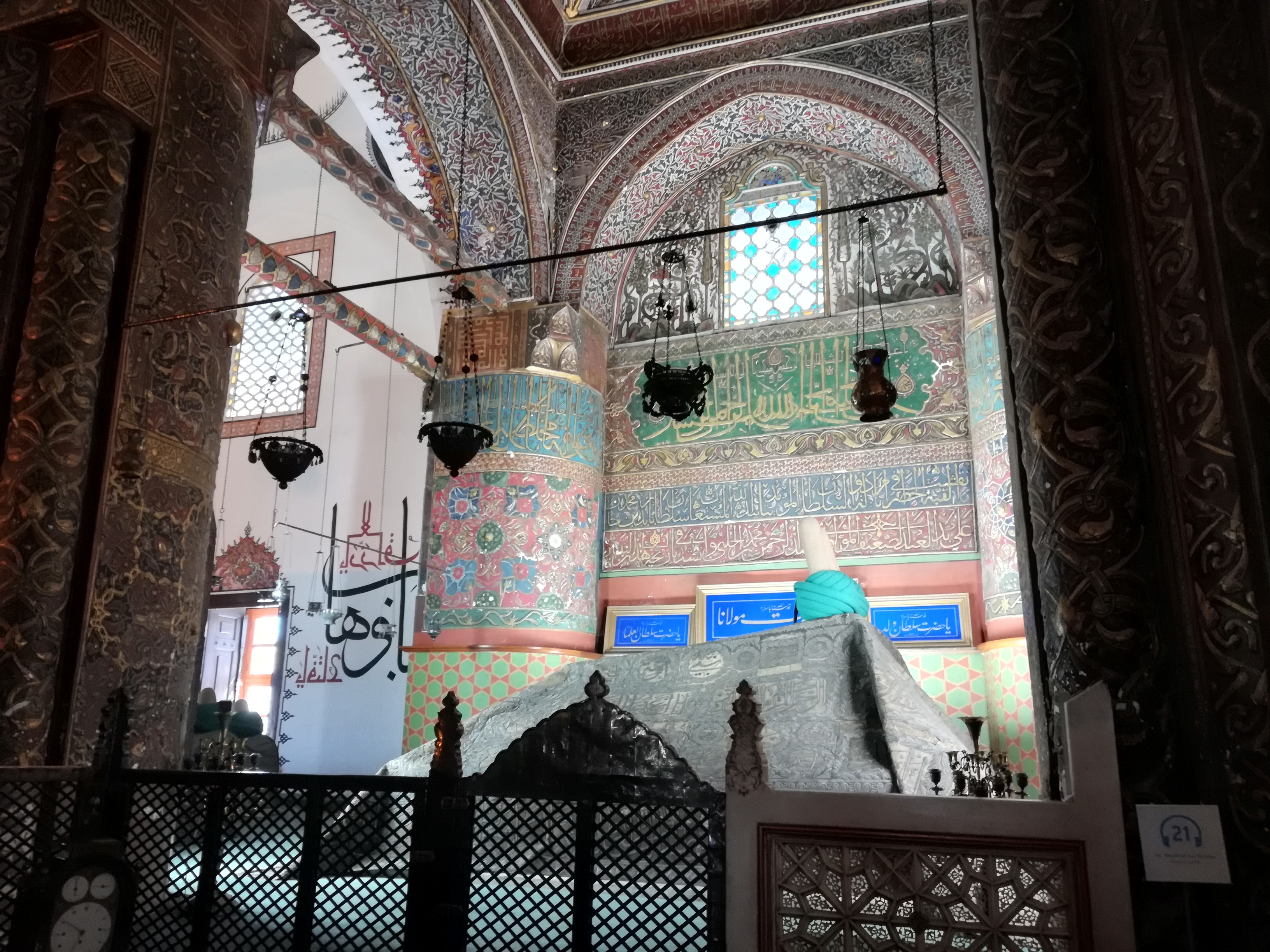
When I look back upon my time in Konya, I realise that I did not do a whole lot there. I had decided to visit Konya on my way to Cappadocia to see the mausoleum of Rumi, who was a famous Sufi mystic and poet, and the Mevlana Museum, that showcases how the dervishes used to live. They are famous for the ceremonies in which they would whirl to reach a trance like state, that they believed brought them closer to God. To my heartbreak, whirling dervishes now perform for audiences only on Saturdays at the Culture Center and I did not have time till then.
With not much to do, I had a lot of time to wander around the city, visit mosques and markets and sit around on park benches, watching people feed pigeons. And though I did not see the dervishes whirling themselves towards divinity, I did ended up having a memorable time in Konya.
Life is balance of holding on and letting go
Rumi
Dirty Banyo!
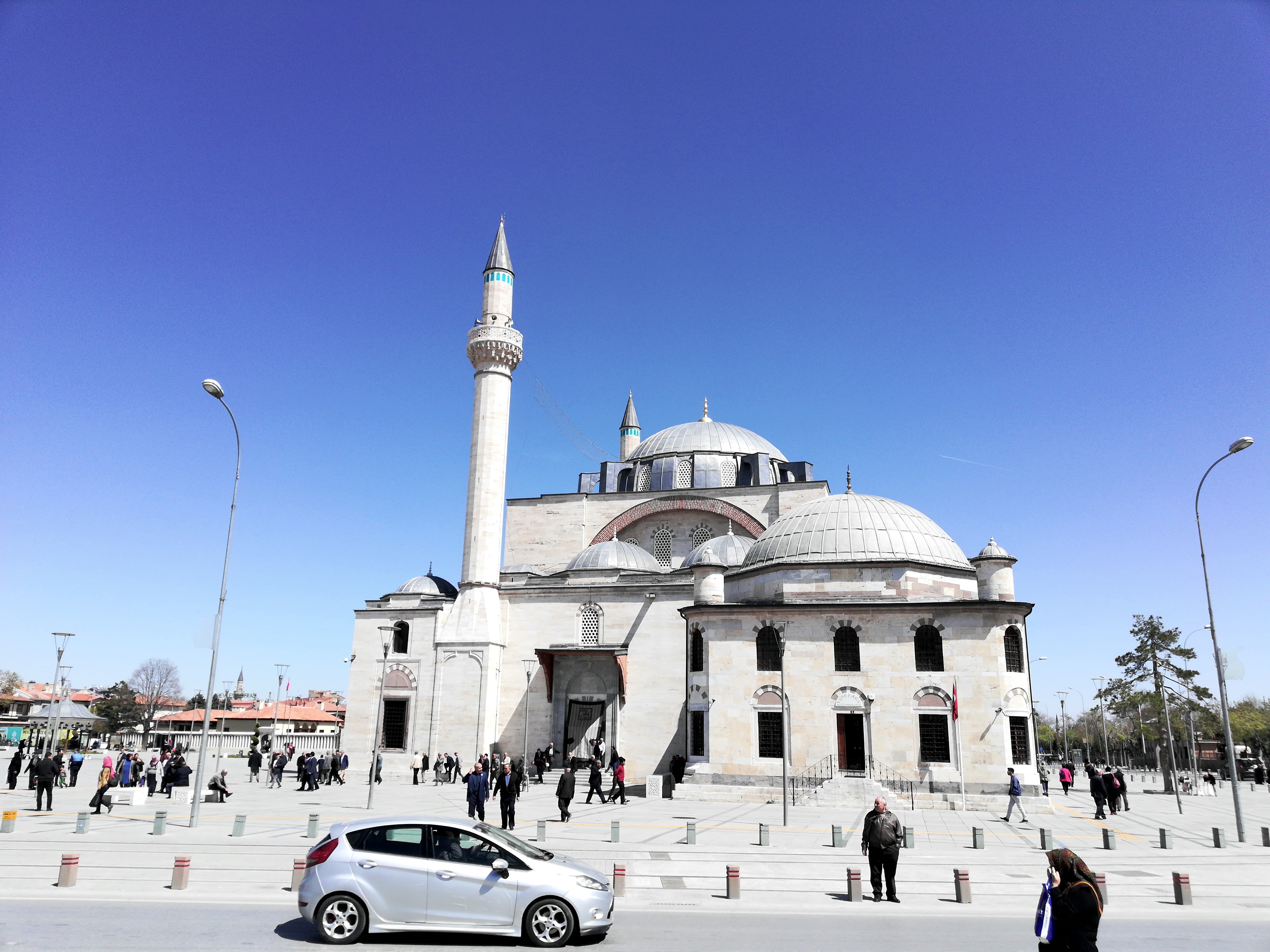
I stayed at the Azizye Hotel, which is a bit hard to find at first but once found, is quite hard to lose. Located at the square, next to the Azizye mosque, its a short walk from the Mevlana Museum, Alaadin mosque, two tram stations and also, as I found out during one of my walks, a dervish cemetery.
The staff at Azizye were really nice. I mostly talked to the manager, who sat at the reception. He was a middle aged man with kind eyes, who always for some reason wore checked shirts. The other person was the maintenance lady, who always had something to say in Turkish when I passed her by in the corridor or the reception. They were always very patient and tried their best to help me, even though we did not understand each other.
I remember, shortly after I checked into my room, I found that the WC in my toilet was not clean. At the reception, I tried different combinations of English words to make them understand the problem. Nothing worked even after several tries. Desperate and a bit frustrated, I looked through the Language section of my guidebook to find the word for “toilet”, but the closest word I could find was “bathroom”. Banyo.
But I did not know the word for dirty, so the best I could do was say Banyo and then make a face.
“Banyo…ugghhhh!”
The man at the reception just looked at me blankly and then broke into a smile.
“Silly Indian man is crazy!” He must have thought.
This went on for a few minutes. He even called one of his coworkers for help as we played this twisted version of charades.
“Banyo.. No good. Really bad. uggghh..”
Nothing.
Finally I signaled for him to follow me, which thankfully he understood. I took him to my room and opened the door of the toilet and sighed “Banyo!” pointing at the WC.
The issue was resolved soon after and the silly Indian man was finally happy.
(From then on, every time I would see him, he would ask “Banyo Ok?” and laugh.)
Whatever lifts the corners of your mouth, trust that.
Rumi
From Hindustan to Sel-Suk-Lu
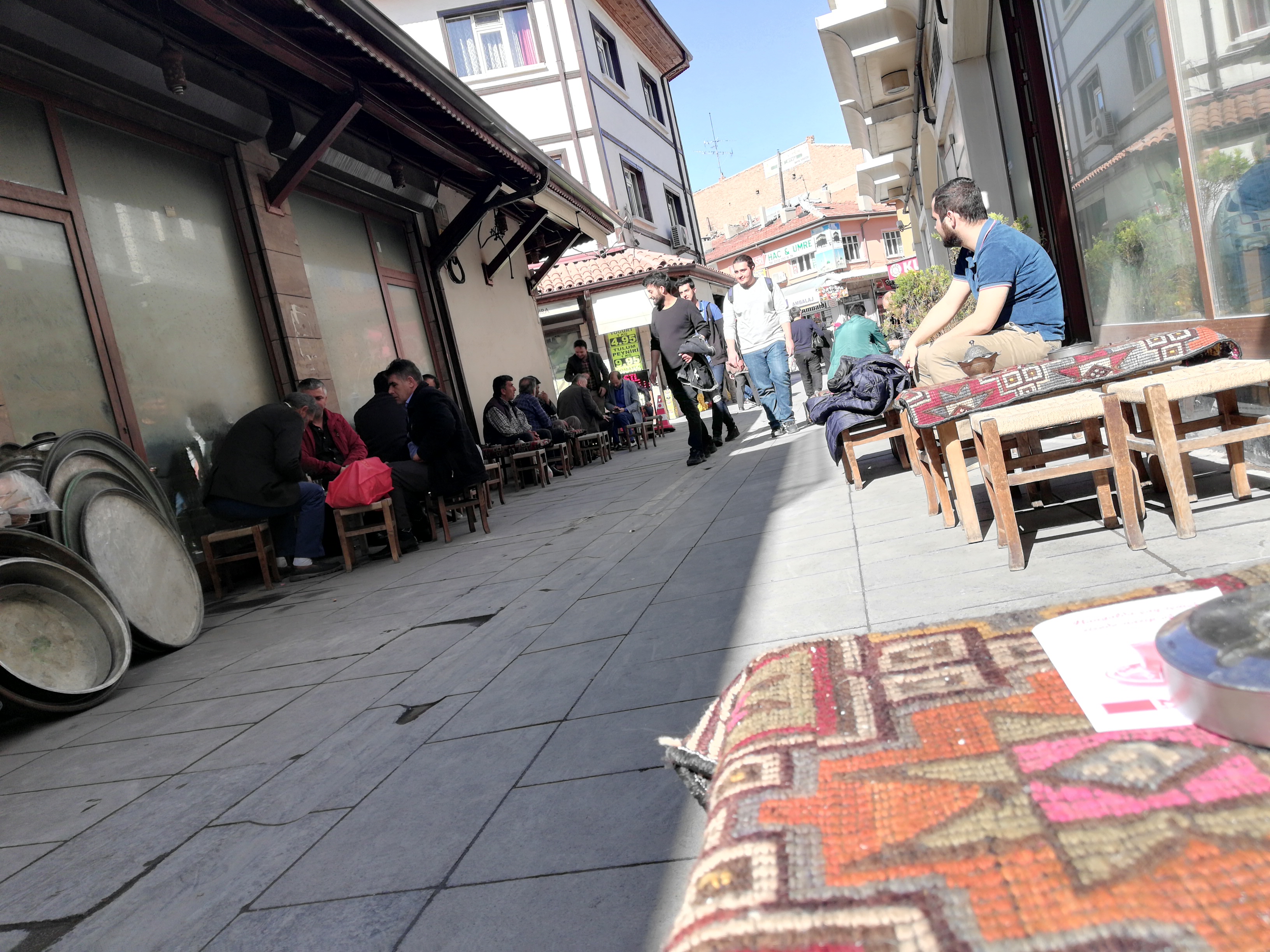
My days in Konya revolved around taking walks around the markets, having tea by roadside cafes, planning onward travel to Cappadocia, sitting on benches, having buttery simits and people watching.
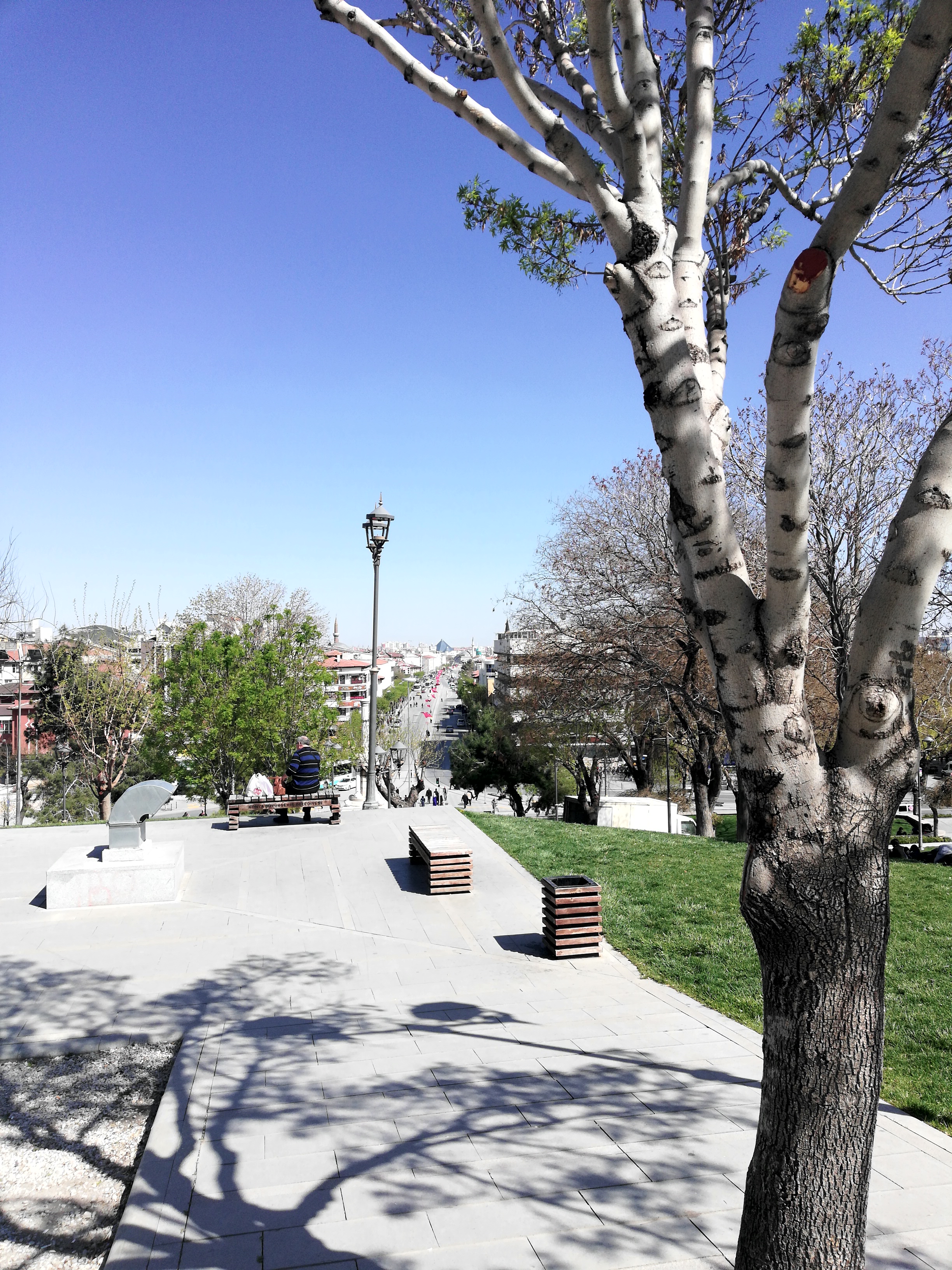
“Where you from?” Asked a middle aged man, sitting next to me on the bench one afternoon. He had asked me something in Turkish, to which I had politely conveyed that I did not know the language.
The afternoon sun was a nice break from the cold weather I had been experiencing since reaching Konya. Looking around the nearby benches, it was clear I was not the only one who felt that way. People sat on benches, reading newspapers, having tea, fiddling on their phones or just staring at the busy road, lost in thought. A few kids chased pigeons while their mothers sat under a nearby tree, chatting. Compared to Istanbul and Ankara, Konya is a bit conservative, so there were a lot more burkhas or hijaabs clad ladies around. To my right was an old mosque and behind me was a complex of modern offices, outside which men dressed in business suits, smoked cigarettes and talking animatedly on the phone.
“India” I replied.
The man looked at me questioningly.
“Hindustan.” I tried again.
Having travelled a bit around the Middle East, I know now that a lot of people in this region better know India as Hindustan.
“Oh.. Hindustan.” He smiled.
We proceeded to have a conversation on topics ranging from where I lived to why I was in Turkey to where I wanted to go next in Turkey.
“Two buses to Cappadocia. Morning and afternoon.”
He went on to tell me that to buy tickets I should go to the Otogar (Bus Station) on the other side of the city. And since there are only two buses to Cappadocia everyday, he recommended that I book my tickets in advance.
I did not have much to do that afternoon, so I bid adieu to the nice man and walked to the tram station nearby. The otogar was a 30 minute ride by tram.
Once you leave the Mevlana-Alaadin area, Konya seemed like any generic modern day city. Fast food restaurants, concrete buildings and the like. People got on the tram, sat and got off, all while having their faces buried in their mobile phone screens.
To pass time and to keep myself awake on the train, I invented a game wherein you had to pronounce the name of the approaching station correctly before the name is announced.
“Sakarya!..Teknik Lise!..Sel-suk-lu?”
“The next station is Selçuklu.”
“Damn it!”
I ended up buying a ticket to Nevsehir for a bus scheduled to leave a day later. From Nevsehir I was told there will be lots of buses to the village of Goreme, where I intended to stay. How that turned out will be a story for another day.
Respond to every call that excites your spirit.
Rumi
Odd One Out in Sille
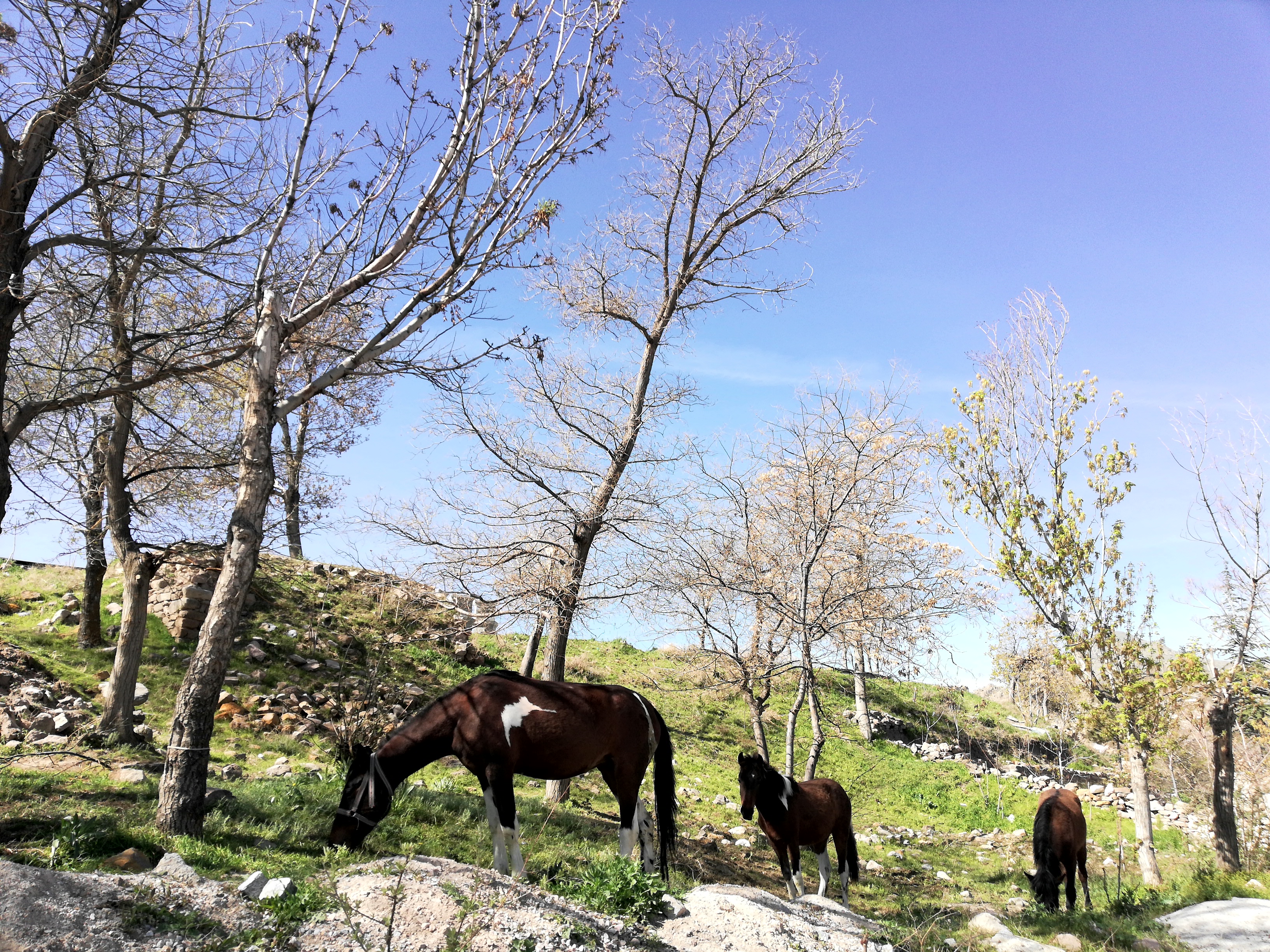
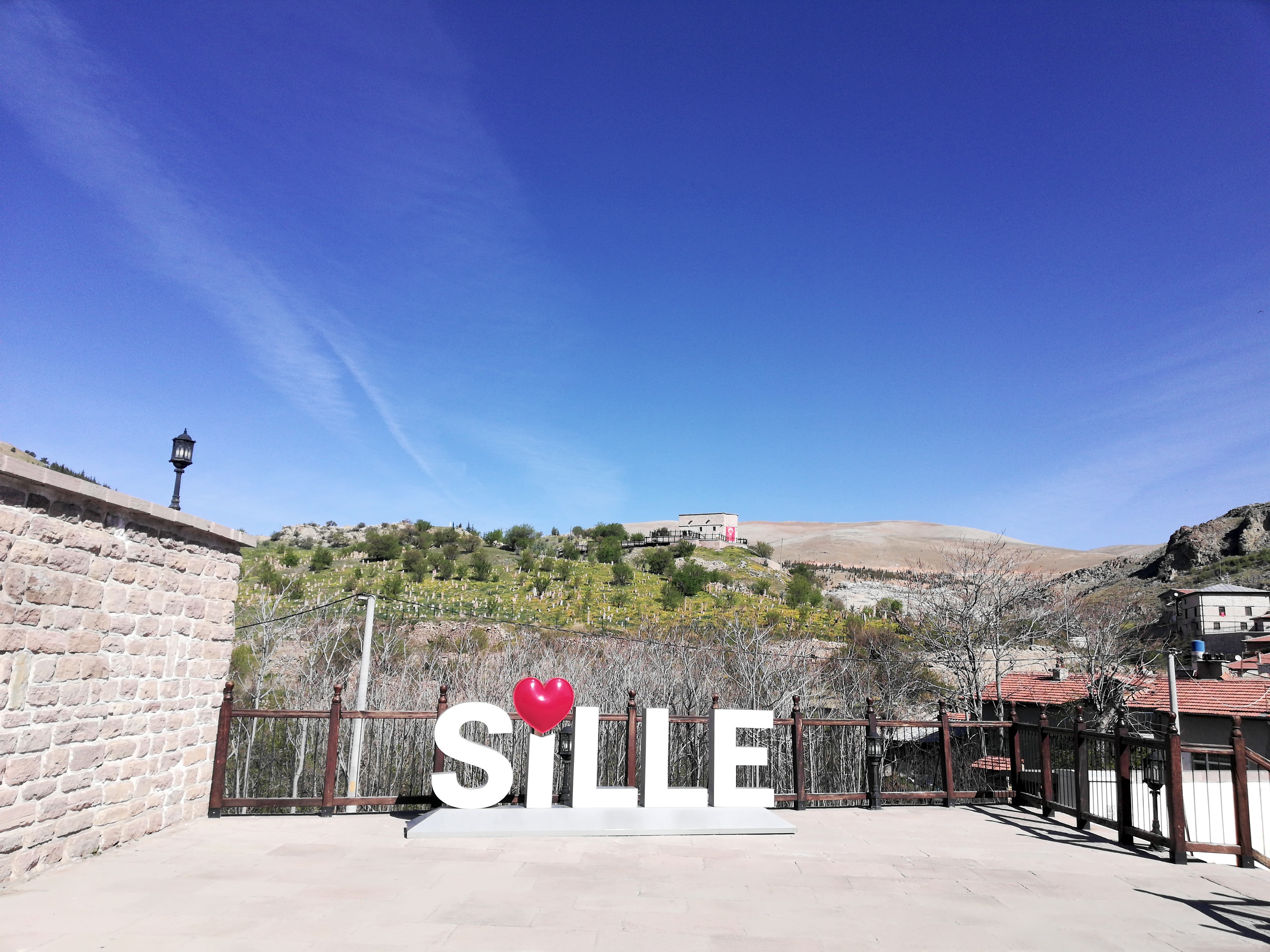
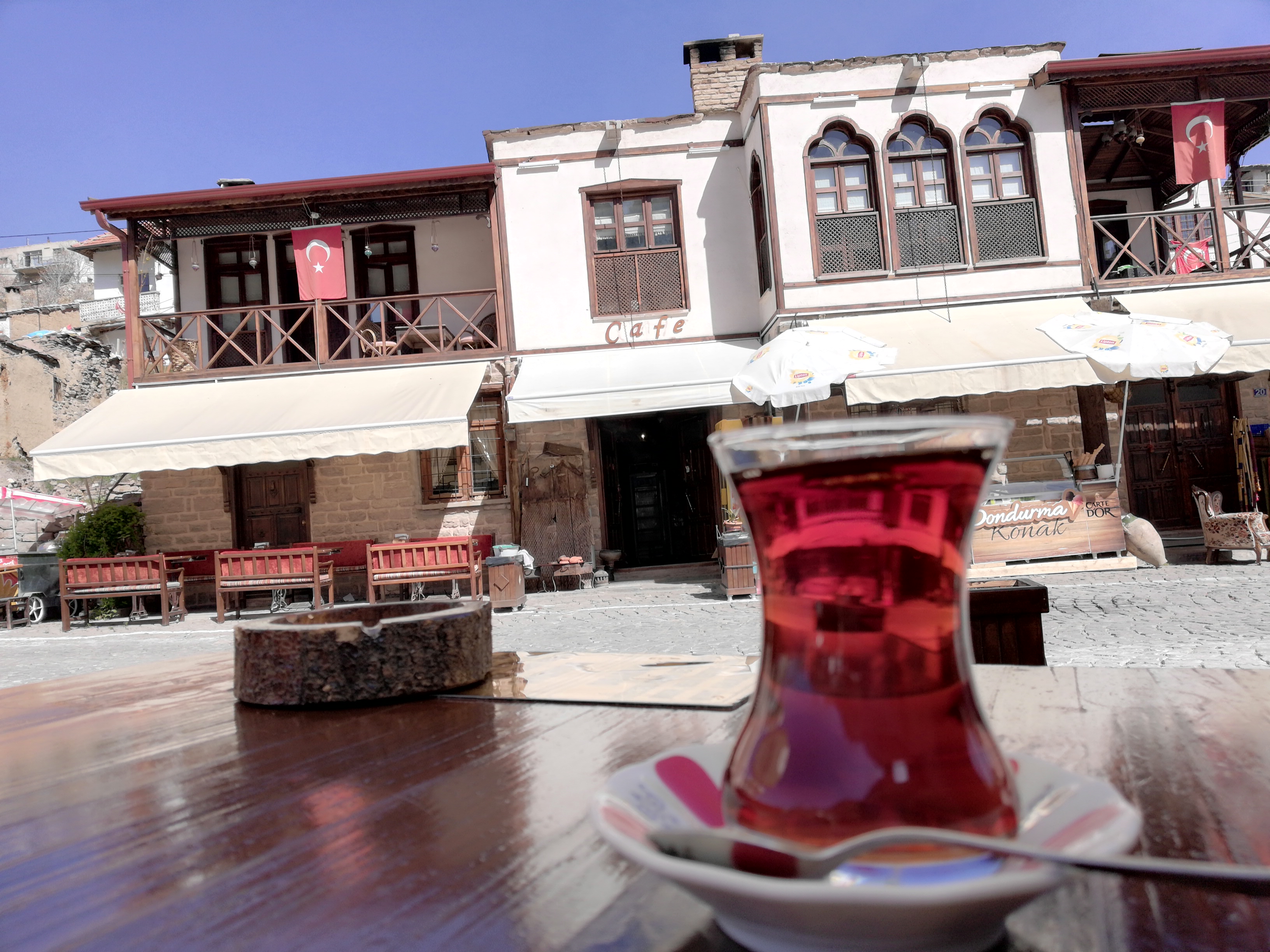
Opposite the Alaadin mosque is the bus stop from where you can catch Bus No 64 to the village of Sille. It takes about half an hour to reach and it is the last stop on the route. There is not much to do in Sille, apart from sauntering around the village, seeing the artistic old houses with their verandahs decorated with pots full of blooming flowers, watching goats, sheeps and horses grazing the fields, and having cups of tea sitting by the fountains. You could see cave dwellings in the hills around; serving perhaps as a little reminder that Cappadocia is not far.
One of the most visited places in Sille is the St. Helen’s Church. The church was built by Empress Helena, the mother of Constantine the Great. Most people visit the church to see several impressive frescos showing events from the Bible. An uniformed guard waved me through when I asked if I needed to buy a ticket to visit the church. He pointed at the direction of the main gate of the church absentmindedly, while sipping his tea. It seemed I had the blessings of Empress Helena as, despite being a popular landmark, I had the church all to myself that morning.
Next stop was the Sille museum. Despite being small, it impressively showcases the history, culture and significance of the town. Sille was located strategically on important trade routes and was famous for its carpets and pottery. Back in the day, it used to be Christian dominated, inhabited by people of Greek descent. They had their own culture, traditions and norms, all of which is very well documented in the museum. Then in 1922, the infamous Greece-Turkey population exchange took place and the demographic changed to what it is today.
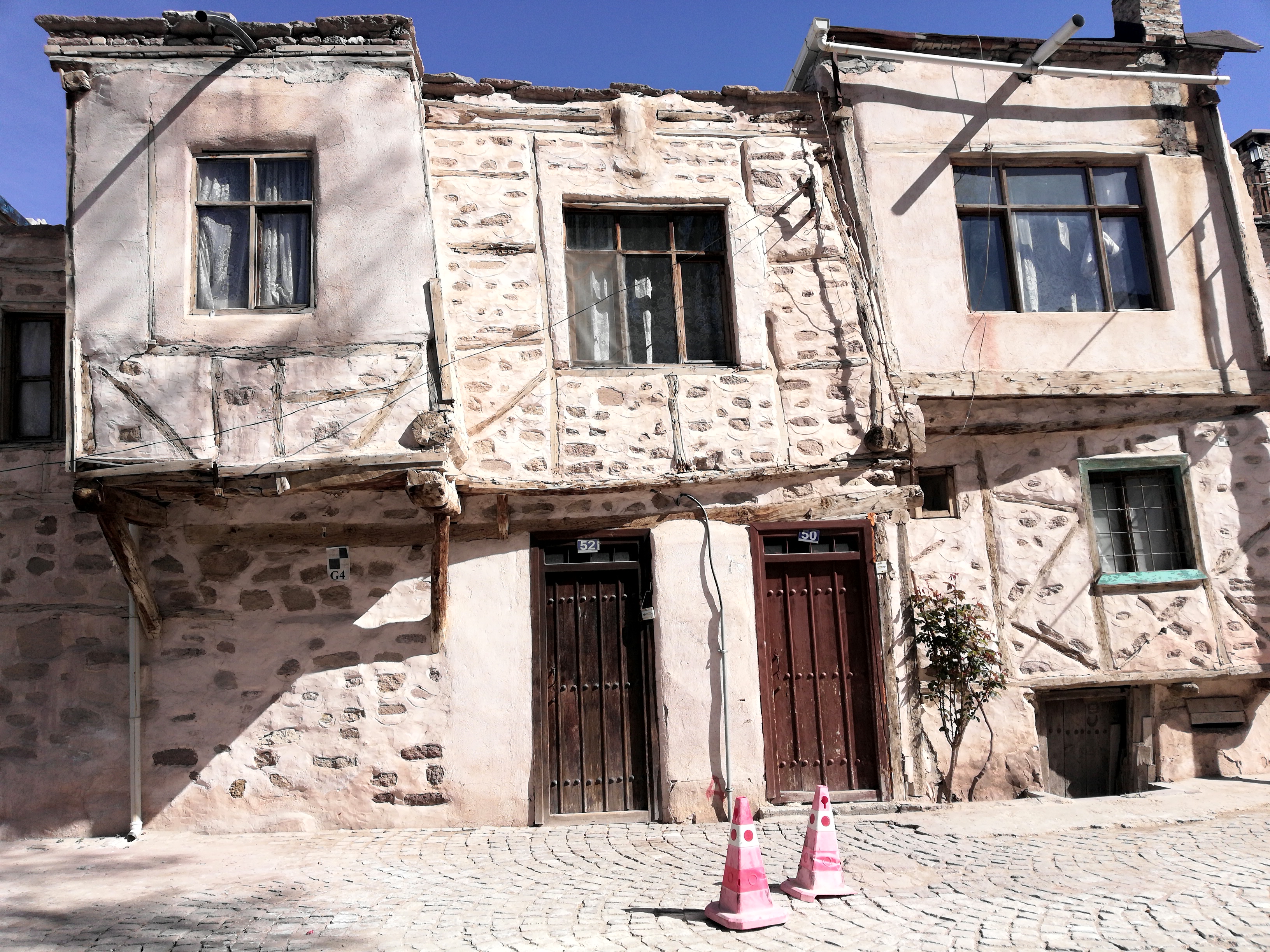
It was a bright sunny morning and Sille was gearing up for the day ahead. Cafes opened their doors for business as their staff hastily cleaned the outdoor tables. Small supply trucks stood outside grocery stores, while people unloaded goods from it and took them inside. The morning market was busy with locals buying blood red tomatoes from the back of pick up trucks. Shepherds minded groups of mountain goats and sheep on a small hill nearby. A bell rang at a school nearby and a bunch of kids rushed out noisily to the concrete playground. I soon realised that I was the odd one out. Wandering aimlessly while everyone went about their day.
But when it comes to joys of travel, isn’t an aimless wander is the best joy of all?
What you seek is seeking you.
Rumi
About Burkhas and Cappucinos
“Hello. Can you take a picture of us?” A heavily built man, wearing a business suit, asked me as I was strolling near the Mevlana Museum on my last evening in Konya. I readied the camera as he and his wife posed with the mausoleum in the back.
“Please include my whole dress.” The lady requested, a little shyly.
I thought the request was a little pointless as she was wearing a plain black burkha; only her face was visible as she had flipped back the veil. But who was I to judge?
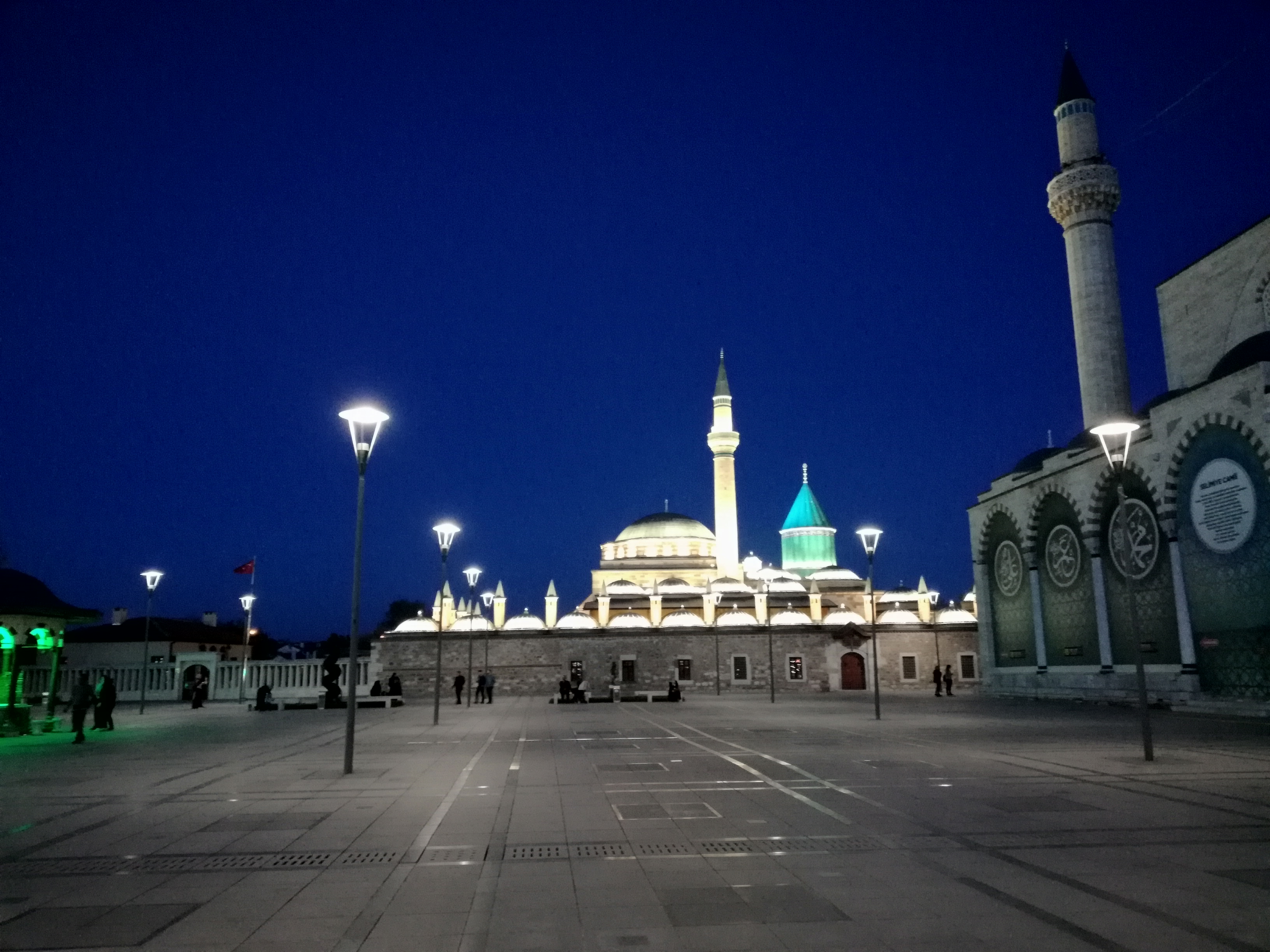
Konya is one of the oldest cities in the world and is considered to be the religious capital of Turkey. Located on the ancient Silk Road, it has always been considered a city of prominence by the ruling empires. And it was clear during my stay that the sentiment prevails even today.
Like many such cities of today however, Konya too provides pictures of the old and the new existing together in harmony. Just outside Rumi’s mausoleum is the Mevlana tram station, from where trams can take you to any part of Konya, while you sit comfortably inside, enjoying its air conditioned interiors. In the evening, you could see devotees ordering cappuccinos, lattes and burgers from the nearby cafes after their prayers at the ancient Alaadin mosque. People took selfies with statues of whirling dervishes and posting them on social media for the world to see.
Using an iPhone, one of the most sought after material possessions of today, to take a picture of the couple, keeping in the back the beautifully lit mausoleum of Rumi, who had dedicated his life to surrendering all earthly longings to be close to God, was a little surreal.
And it made me wonder if even a visionary like Rumi could have envisioned what would become of his city.
Don’t be satisfied with stories, how things have gone with others. Unfold your own myth.
Rumi
(Featured Image by Globe Post Turkey)


Leave a Reply